Welcome to Tezuka In English
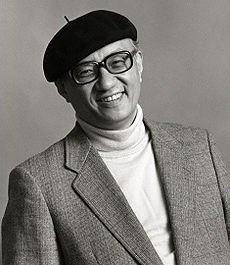
Osamu Tezuka (1928 – 1989)
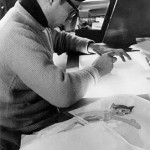
Osamu Tezuka (手塚 治虫) is a manga author and creator of many of the first Japanese animated television programs. While Tezuka’s best known creation is, arguably, the world-renowned children’s series Astro Boy (1952-68), he drew more than 150,000 pages of manga in his lifetime – touching on every style and genre. He wrote for every age-group, from young children to mature audiences, and single-handedly created the majority of the genres and character-types we see in manga and anime today.
Though he is one of the most respected cultural figures of 20th century Japan, finding information in English on his work can be difficult. As such, we’d like to welcome you to Tezuka In English – home of the global community for English-speaking Tezuka fans. Here you will find information on his life story, the many manga and anime series Tezuka created, his beloved Star-System cast of characters, what’s available in English and what’s not. You’ll also find links to many other useful web resources including publishers’ sites, official publicity sites, and other fan sites. While you’re at it, join our forums and and meet other Tezuka fans from around the world!
All Life is Sacred…”
Tezuka In English is a volunteer-run fan site working in conjunction with TezukaOsamu.net, the official Japanese website. We’re always looking for help, so if you have a link to suggest, please contact us!
About Osamu Tezuka

Tezuka's Manga Works
Tezuka's Anime Works
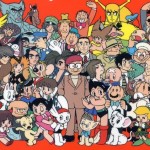
Osamu Tezuka's Star System
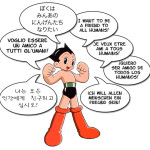
Translations